
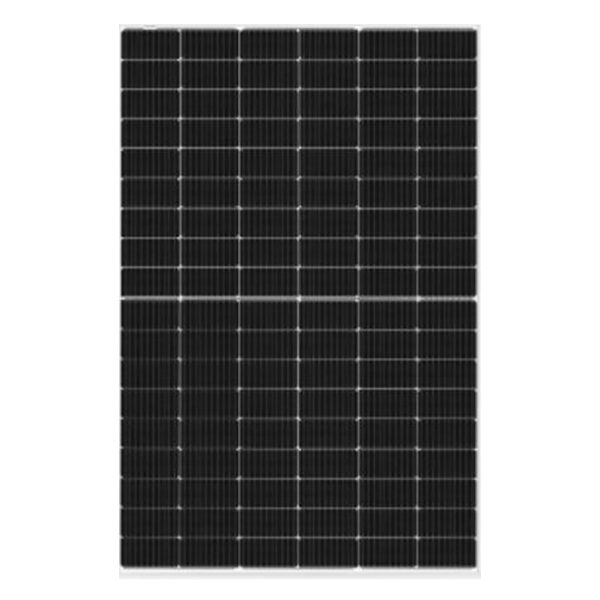
In the ongoing pursuit of sustainable and renewable energy solutions, Ronma Group has emerged as a key player by integrating cutting-edge passive solar energy technology into its expanding portfolio. Founded in 2018, Ronma Group is a national high-tech enterprise committed to the research, production, and sales of P-type and N-type monocrystalline silicon solar cells and modules. Beyond manufacturing, the company has also made significant strides in the investment, construction, and operation of photovoltaic power plants, positioning itself at the forefront of China’s rapidly growing solar industry.
### Harnessing Solar Power for a Greener Future
As global demand for clean energy intensifies, solar power remains one of the most promising avenues to reduce carbon emissions and combat climate change. Ronma Group’s dedication to advancing photovoltaic technology is evident in its focus on both innovation and practical application. The company’s expertise in monocrystalline silicon solar cells—widely recognized for their high efficiency and durability—provides a firm foundation for developing advanced solar solutions.
### Integrating Passive Solar Energy Technology
Recently, Ronma Group has begun incorporating passive solar energy principles into its technology suite. Passive solar energy refers to the method of capturing, storing, and distributing the sun's energy naturally, with minimal mechanical or electrical intervention. This approach leverages architectural design and materials that maximize solar gain and energy conservation, such as heat-absorbing walls, strategic window placement, and thermal mass.
By combining passive solar design with their active photovoltaic systems, Ronma Group aims to achieve a more comprehensive, efficient approach to solar energy utilization. This synergy allows the company to reduce reliance on powered heating and cooling systems, optimize building energy consumption, and enhance overall energy efficiency in residential, commercial, and industrial applications.
### Ronma Group’s Role in Photovoltaic Industry Innovation
Since its establishment, Ronma Group has demonstrated remarkable growth backed by an underlying commitment to innovation and sustainability. The company’s research and development teams have made significant advancements in the production of both P-type and N-type monocrystalline silicon solar cells. These cells are key components in solar modules due to their superior ability to convert sunlight into electricity reliably and efficiently.
P-type solar cells, doped with boron, are known for their cost-effectiveness and mature manufacturing process, while N-type cells, doped with phosphorus, offer enhanced resistance to light-induced degradation and better performance under real-world conditions. Ronma Group capitalizes on the strengths of both types, ensuring their modules meet diverse market needs and operational environments.
### Expansion into Photovoltaic Power Plant Development
Beyond manufacturing, Ronma Group actively invests in the development and operation of photovoltaic power plants, supporting large-scale solar energy adoption. Through these projects, the company contributes to China's national goals of increasing renewable energy capacity and reducing carbon footprint.
The company’s photovoltaic power plants are strategically designed to maximize energy yield and reliability. Their involvement spans initial investment decisions, overseeing construction phases, and managing ongoing operations to ensure optimal performance and return on investment. This end-to-end approach underscores Ronma Group’s commitment not only to technological excellence but also to sustainable business practices.
### Environmental and Economic Impact
By integrating passive solar energy methods with advanced photovoltaic technologies, Ronma Group is poised to deliver solutions that significantly decrease energy consumption and greenhouse gas emissions in buildings. This holistic strategy promotes energy self-sufficiency and cost savings for consumers, while providing scalable benefits for urban planning and industrial development.
Moreover, Ronma Group’s comprehensive capabilities—from cutting-edge cell production to power plant operations—strengthen China's renewable energy infrastructure and contribute to its leadership in global clean energy markets.
### Looking Ahead
As the solar power industry evolves, the role of innovative technologies such as passive solar design and advanced silicon solar cells becomes increasingly critical. Ronma Group’s proactive integration of these technologies demonstrates foresight and adaptability, ensuring the company remains a driving force in renewable energy advancement.
With continuous investment in R&D and sustainable infrastructure projects, Ronma Group is well-positioned to influence the future of solar energy. Its contributions not only support national sustainability targets but also promote energy solutions that empower communities and protect the environment.
### Conclusion
Ronma Group’s fusion of passive solar energy concepts with high-performance monocrystalline silicon solar cells exemplifies a comprehensive approach to renewable energy innovation. Since 2018, the company has steadily cemented its reputation as a national high-tech leader by pushing the boundaries of solar technology, expanding photovoltaic power capacity, and emphasizing environmentally responsible development.
As global priorities shift towards greener energy systems, Ronma Group’s advancements and projects offer a promising pathway for industries and consumers alike to embrace cleaner, smarter, and more efficient energy use. This commitment sets a benchmark for solar enterprises and marks a significant step forward in sustainable energy adoption both within China and worldwide.